When the weather is beautiful and your diary is full of fun summer activities, your drains are probably the last thing on your mind. However, it’s worth paying attention to those underground pipes, because the warmest season is a challenging time for them. High temperatures, dry conditions and sudden storms put drains under pressure.
The following guide to summer drain problems explores the main issues property owners face at this time of year, as well as how our Bristol and Bath drains experts resolve them. So you can stop nasty smells, blockages, etc. from spoiling your plans.
Why do so many drains produce particularly nasty odours between June and September? The reason is hot, humid conditions turn rogue substances that don’t belong in pipework (such as fat poured down kitchen sinks) into smelly gases, as well as encouraging drain-loving bacteria to grow faster and produce more odour molecules.
If you dread the summer drain smell coming up through your plugholes, you’ll be looking for ways of tackling drainage-related odours. You could carefully pour boiling water down plugholes – this may help to dislodge congealed cooking oil, say, that’s clinging to drain walls. You could also avoid washing food debris down the sink, especially after serving greasy summer staples such as barbecued burgers and sausages.
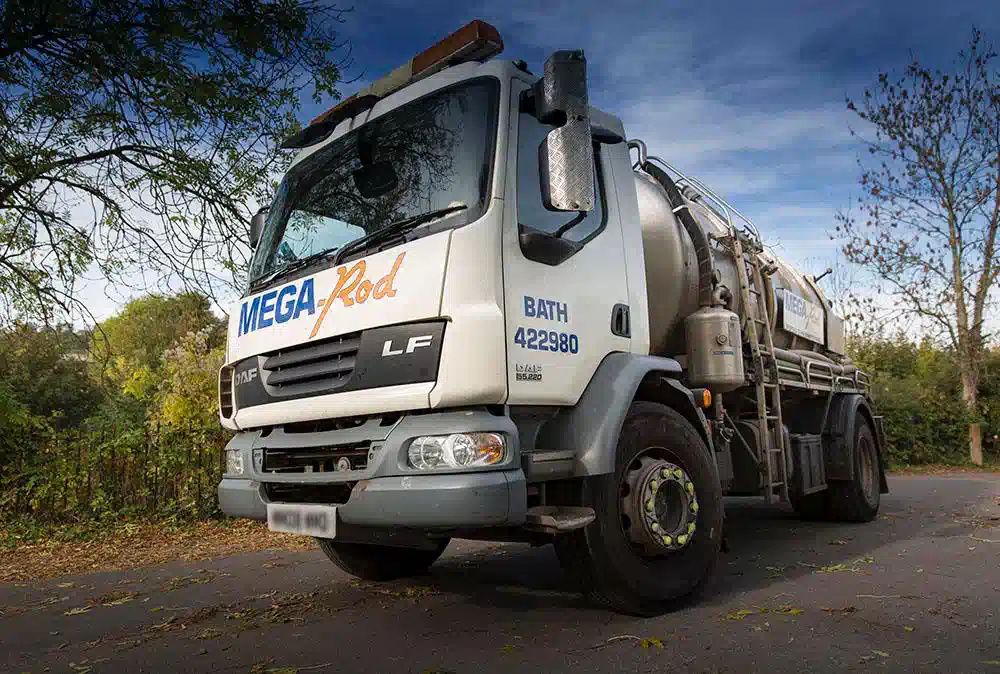
However the most effective way of eliminating an awful drain smell is to ask drainage specialists such as the Mega-Rod Bath team to perform drain cleaning, which typically involves using high-pressure water jets to completely clear congestion.
Drains often get blocked in the summer. The chances are that you spend more time outdoors in good weather and also take more showers – so more hair, dirt, sand, soap scum, etc. will be entering your drainage system. Moreover, if guests come round for garden parties, you may find they’re not as ‘drain smart’ as you’d hoped. For instance, they might flush away drain-blocking items such as fibrous, absorbent wet wipes.
If you spot signs of blocked drains, including slow drainage, standing water and backups, you can rely on our drain unblocking experts. We unblock drains in Bath, Bristol and beyond, using tried-and-tested methods such as drain snaking and drain jetting.
If you go on holiday for a week or two, ask a neighbour to run your taps regularly so wastewater in your drains doesn’t stagnate. That’s because still water is an ideal breeding ground for drain flies.
These tiny, fuzzy pests can lay hundreds of eggs in drains and enter buildings via plugholes. And because they spend so much time around wastewater and other waste substances, they can spread germs.
Fly swatters or sprays may help if you spot drain flies in your property. But a better way to tackle the problem is to eradicate the breeding site with the aid of professional drain cleaning.
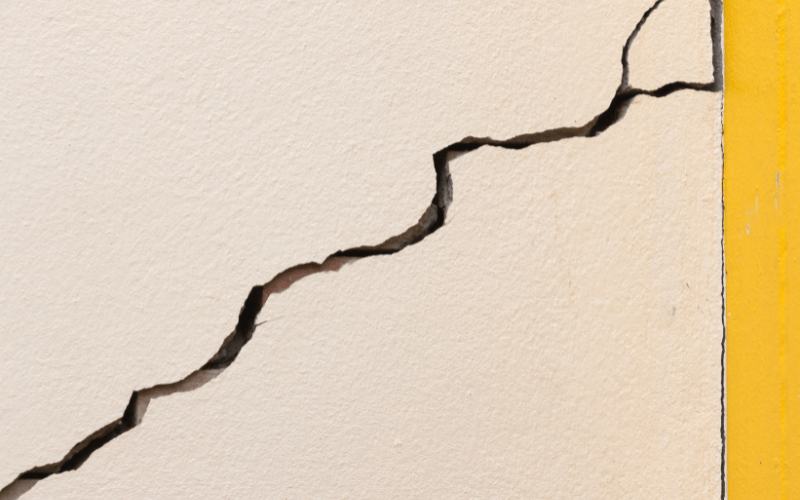
While hot, dry weather is ideal when you want to top-up your suntan or play football in the park, it can spell trouble for your drains’ structural integrity. Soil around the pipework may dry out and shrink, becoming unstable. If it then sinks (a destructive process known as subsidence), the drains are likely to drop too, along with your property’s foundations. Pipework may fracture or collapse and joints may become misaligned, leading to everything from leaks to backups. Walls may develop dramatic cracks.
Summer storms after dry spells also threaten drainage systems and the properties they serve. As the Met Office points out, June 2024 was slightly drier than average and July was wet. When dried-out ground is subjected to heavy rainfall, soil can get saturated or partly washed away. This may also result in it sinking and damaging drains and buildings.
If you suspect extreme summer weather is undermining your drains, we can conduct a CCTV drain survey to identify any structural issues and other problems then take steps to resolve them.
CCTV drain surveys also enable us to check pipes for invasive tree roots. ‘Tree growth occurs in the spring and summer,’ explains the Royal Forestry Society. So at this time of year root networks are particularly keen to find water and nutrients, both of which are present in drains. Roots exploit – and worsen – cracks and loose joints in order to penetrate pipework. When they take hold, they can block drains.
After locating invasive roots during a drain camera survey, we can remove them with root cutting equipment and water jets, enabling you to get your summer back on track.
Mega-Rod in Bath has the expertise to fix all your summer drain problems – simply call us on 01225 422980 today.
Although all drains have the same purpose (to carry wastewater away from homes, businesses and other buildings), they’re not all made of the same material. Indeed, as a leading Bath drainage company, Mega-Rod surveys, maintains and unblocks a diverse range of drains on a daily basis.
There are four main types of drain materials: clay, metal, pitch fibre and plastic. Some aren’t used to manufacture drains anymore but can still be found in domestic and commercial drainage systems across the UK, as we’ll explain.
Drains made of different materials have different lifespans, exhibit different strengths and weaknesses, react differently to the substances that pass through them, and are prone to experiencing different kinds of drainage problems (from blistered walls to tree root ingress). Naturally, you want to know what to expect from your drainage system, so it’s crucial to find out exactly what your pipes are made of with the aid of a professional drain camera survey.
Read on to learn about the main drain materials. Or if you’re ready to book your CCTV drain survey, simply contact us for prompt assistance.
If you live or work in one of the stunning period properties in Bath or Bristol, for instance, your drains could well be made of vitrified clay, the most common drainage material between the 1800s and Second World War. Vitrified clay drains are still available, though not as widely used now as plastic drains.
Vitrified clay is produced when clay and shale (a clay-rich rock) are subjected to intense heat. As a hard, inert ceramic material, it’s well-suited to carrying wastewater. Indeed, vitrified clay drains can last for 60-100 years or more.
However, these drains are heavy and prone to cracking, which makes them tricky to cut, join together and repair. They can also undermine drainage systems’ structural integrity by sinking. Plus, cracked, leaky clay drains attract thirsty invasive roots – only a root cutting service can rescue the pipework.
You’re unlikely to find cast iron drains being laid now, but they were commonplace during the first half of the 20th century. They’re incredibly durable and capable of lasting 80-100 years. In addition, cast iron drains provide superb heat resistance (which is ideal for blocks of flats, where numerous residents may be emptying kettles, washing clothes, etc.).
But just like clay drains, these pipes are heavy, challenging to work with and likely to sink. What’s more, cast iron often experiences rust build-ups, which can result in blocked drains.
Galvanised iron/steel drains were frequently laid in the 1950s. Their protective zinc coating (which made them relatively expensive to produce) guards against rust but reacts with minerals in wastewater, leading to other forms of corrosion.
Cheap pitch fibre drains aren’t manufactured anymore, but they were popular from the 1940s to 1970s, until plastic drains overtook them. Made of wood cellulose soaked in coal-tar pitch, they’re light yet strong and easy to handle. Given their benefits, you can see why they initially seemed ideal for large, low-budget building projects such as housing estates.
But then a major problem with pitch fibre drains became apparent: prolonged exposure to hot wastewater, fat, oil or grease leaves them blistered and warped. These structural issues often lead to congestion and obstructions that require drain unblocking expertise, while the pipes must be re-rounded and relined or replaced with another type of drain.
In addition, pitch fibre drains have a relatively short lifespan of around 40 years.
Plastic drains are excellent all-rounders and have a lifespan of 50-100 years. They’re not as strong as clay and metal drains but still have plenty of benefits.
Since the 1970s, unplasticized PVC (UPVC) has been the number one choice for drains. ‘Unplasticized’ means the pipes are rigid and robust; they’re also inexpensive, lightweight, easy to work with and corrosion-resistant. Moreover, UPVC drains are extremely smooth, which reduces the chance of congestion and discourages root ingress (as roots struggle to latch onto them).
Other popular plastic drains are made of PEX (a dense form of polyethylene that’s remarkably resistant to being damaged by heat or winter weather) and ABS (which can cope with harsh chemicals).
A trusted name in the drainage industry, Mega-Rod provides comprehensive CCTV drain surveys, including homebuyers’ drain surveys, in Bath, Bristol and beyond.
By surveying your residential/commercial drains with a powerful camera, we can determine what they’re made of, their condition and how we can resolve any problems (for example, by performing drain unblocking or root cutting).
In the dark about your drains? Call Mega-Rod today on 01225 422980.
If you’re planning to swap urban living for an idyllic home in the countryside, you’ll no doubt be expecting fresh air, picturesque scenery, and peace and quiet. Something that may take you by surprise, however, is the lack of conventional infrastructure. Certain things that are commonplace in towns and cities aren’t available in remote parts of regions such as North Somerset and North or West Wiltshire, where many of our customers live. ‘Few country villages have mains gas or mains drainage, so expect oil-fired central heating and a septic tank,’ as one estate agent remarks.
Many rural homes have septic tanks buried in their grounds – it isn’t feasible for water companies to connect these isolated properties’ drains to sewers instead. After wastewater flows into a septic tank, it gets partially filtered and cleansed, thanks to gravity and helpful bacteria. It leaves behind dense waste known as sludge and travels through a drainage field, where the soil and more bacteria finish the treatment process.
Septic systems are invaluable in the countryside. So if your dream home has one, it’s crucial to check its condition and familiarise yourself with septic tank emptying (also called desludging) before signing on the dotted line. It’s homeowners who are in charge of these private, off-mains drainage solutions, not water authorities. As the Environment Agency’s general binding rules for septic tanks emphasise, you’ll be responsible for ensuring the tank at your new home works properly, doesn’t pollute watercourses and is emptied regularly.
As septic tank emptying experts, we’re well-placed to offer advice about off-mains drainage. So let’s discuss what you need to know about the septic system at the property you intend to purchase.
The property’s current owner is legally obliged to inform you in writing about the presence of a septic system. They should provide key information about the system, including a description of it and any alterations, its location and how to maintain it. Relevant documents, such as maintenance manuals and records, should also be made available to you.
If there’s anything you’re unsure about, don’t hesitate to request more details. If the sale goes through, the seller will hand over ownership of the septic tank and drainage field to you. You need to feel confident that you know how to look after them. A septic system can last for 40 years – but only if it’s well maintained.
Helpful questions to ask the seller when buying a house, cottage or other home with a septic system include:
In addition to speaking to the seller, you can always ask a drainage company to conduct a professional inspection of the drains and septic system, known as a homebuyer’s drainage survey or pre-purchase survey.
For best results, we’ll remove the sludge first with a powerful suction pump and tanker (as discussed in our septic tank emptying FAQs). Then we’ll use an agile CCTV camera to survey the pipework and tank. We’ll also check the tank from above via the access covers and examine the drainage field.
After the homebuyer’s drainage survey, we can produce a helpful map of the building’s drainage system and an illustrated report. The latter will alert you to any problems (such as blockages, cracks or boggy ground) and explain how we can help you to fix them. If there are any major issues, you could renegotiate the property’s price or abandon the purchase.
Arranging a homebuyer’s drainage survey gives you peace of mind when your heart is set on a rural home. It’s the best way to find out exactly what’s happening to the drains and septic system (which aren’t usually thoroughly checked during standard property surveys) and avoid being confronted by unpleasant issues upon moving in.
The Mega-Rod Bath drains experts are often relied on to perform pre-purchase drainage surveys and annual septic tank emptying.
We have over 40 years of experience in the drainage industry, so you can leave the hard work to us while you focus on living out your dreams in the countryside.
Need help with a septic tank? Call Mega-Rod today on 01225 422980.
If the ground beneath your home or business becomes unstable and sinks (due to wastewater escaping from leaking drains and seeping into the soil, for example), the property’s foundations are likely to drop as well. This destructive process is known as subsidence and is every property owner’s worst nightmare.
Subsidence can create dramatic, fast-expanding cracks in walls. In fact, it can undermine buildings’ structural integrity to the extent they become unsafe. Plus, a property that develops subsidence can lose as much as 25% of its value, as estate agent Sold.co.uk points out.
Because leaking drains are among the major causes of subsidence, we encourage you to contact us if you have concerns about your drainage system or are unsure what condition it’s in. The Mega-Rod Bath drains experts can help you identify and resolve problems with the aid of CCTV drain surveys, drain unblocking and other services.
When your drainage system is working properly, it carries wastewater safely away from your property and therefore prevents it from overwhelming the soil surrounding the pipework.
However, if the drains crack or their joints loosen due to age, wear or pressure exerted by drain blockages, they’ll leak whenever you run a tap, take a shower, wash your clothes, and so on. And because leaky drains are a magnet for invasive tree roots and sharp-toothed sewer rats in search of water and nutrients, the damage – and leaks – may well get worse. Over time, the wastewater could destabilise the soil.
Property owners who don’t ask a drainage company to carry out regular drain camera surveys or drain cleaning have no way of knowing if their underground pipes are leaking and putting their homes and businesses at risk of subsidence. No way of knowing, that is, until the leaks become so severe they create issues above ground, such as nasty smells and waterlogged gardens. That’s why we recommend you get your drains inspected and cleaned by our specialist team at least once a year.
How exactly do leaking drains cause subsidence? They destabilise the ground beneath a building in one of two ways, depending on the type of soil.
You can check what type of soil commercial and residential properties stand on by using the Soilscapes Viewer, an interactive map from the Land Information System. For example, Soilscapes classifies the soil in the Locksbrook Road area of Bath, where we’re based, as loamy.
Clay soil is most at risk of subsidence – it can swell and shrink dramatically. Period properties are also particularly vulnerable, as their foundations are generally fairly shallow.
Let’s explore what tends to happen when soil collapses and a building’s foundations are pulled down with it, so you know what to look out for.
Subsidence warning signs include:
If a property experiences severe subsidence due to an issue such as leaking drains, its foundations may need underpinning (i.e. deepening and strengthening). ‘This can be expensive and disruptive with costs reaching £50,000 in some cases,’ emphasises the Homeowners’ Alliance. So it’s vital that people don’t ignore large cracks or other red flags and let subsidence get out of hand.
Thankfully, you can rely on Mega-Rod, as our excellent customer reviews demonstrate. If your property in Bath, Bristol or the surrounding area potentially has subsidence and leaking drains, we can help. We can conduct a CCTV drain survey to pinpoint wastewater leaks and also advise you about next steps (such as drain unblocking, drain cleaning and drain maintenance and repairs).
Even if you don’t think you have any drainage issues, an annual survey and cleaning can help keep your drains working properly and reduce the risk of subsidence at your property.
Worried about leaking drains? Call Mega-Rod in Bath today on 01225 422980.
Before embarking on your home extension project, it’s essential to conduct a CCTV drain survey to identify potential issues and ensure a smooth construction process.
Perhaps you’d love to embrace open-plan living, double the size of your kitchen or exercise in a home gym. By building an extension, you can make your interior design dreams come true while enjoying extra space, more natural light and a touch of luxury. Plus, you can increase your property’s value. Indeed, extensions offer so many benefits that it’s no wonder Really Moving has seen ‘something of a house extension boom’ in recent years, especially since working from home became widespread.
There’s a lot to think about during the planning stage, from building regulations for extensions to fixtures and fittings. But as drainage specialists who often perform CCTV drain surveys for homeowners, we urge you not to overlook your underground pipework. Read on to discover why asking an experienced drainage company such as Mega-Rod in Bath for a pre-conditional CCTV drain survey (which is also called a pre-construction or pre-build drain camera survey) is absolutely vital.
‘One of the most frequent problems we see with small projects arises from the failure to check whether or not there are drains running beneath the footprint of a proposed building or extension,’ emphasises the Architects’ Journal. In other words, if construction work interferes with your drains, your extension project could be completely derailed.
So before extending, you need to find out exactly where your drainage system is. As our CCTV drain surveys guide points out, feeding a compact yet powerful camera into the pipes is the best, least disruptive way to accurately locate and map them. Using high-quality colour CCTV footage and a sonar transmitter, we can establish the position and layout of your drains, what they’re made of, their size and shape, their depth and angle, and the direction of flow. We can then create an up-to-date plan of your drainage system.
This helpful diagram will enable you to plan around your drains, as far as possible, so that they won’t be damaged or unnecessarily disturbed during construction work. It’ll also help you to make any drainage modifications required in light of your extension.
Another compelling reason why homeowners request pre-conditional CCTV drainage surveys is to check if their drains are structurally sound enough to cope with intense vibrations from construction equipment.
While guiding a camera through your drains, we can rotate, pan and zoom in as required. We can therefore spot any faults or damage, such as cracks, leaks or loose connections, and decide how best to resolve issues.
Findings and suggested next steps will be presented in an illustrated report. Ensuring your drains are in optimum condition before building work begins will give you real peace of mind.
Arranging a drain camera survey before building an extension can also keep you in your water company’s good books. It owns the lateral drain you share with your neighbours and the public sewers (which could well run beneath your back garden). The survey will show the position of that pipework in relation to yours and reveal whether or not your proposed building work would take place near or directly above a section of it.
Such findings are incredibly important because if you intend to build within 1m of a lateral drain or 3m of a public sewer, you must get your water company’s permission first – that’s the law. If the pipework is less than six inches wide, you may just need to provide written confirmation that your extension won’t have a significant impact on it. However, if the situation is more complex, you’ll need to apply to your water company for a build-over agreement; planning permission alone isn’t enough.
The water company must be satisfied that its pipework will remain accessible and won’t be compromised by construction work or the weight of your extension.
A home extension is a major investment. So it’s worth investing a little in a pre-conditional CCTV drain survey from Mega-Rod, which will provide crucial information and help you to enhance your plans.
After the groundwork is complete, we can perform a post-conditional CCTV drainage survey to check if your drains remain in excellent condition and if any alterations made to your drainage system will work properly.
‘Pre- and post-conditional drainage surveys are part of the due diligence process of any building project and should never be overlooked,’ concludes the Front Door home improvement guide.
Planning an extension? Call Mega-Rod today on 01225 422980 to book your CCTV drain survey.
Imagine two houses nestled deep in the countryside in Somerset (one of the ten most rural English regions) or a similarly remote area. As they’re too isolated to join the sewer network, the buildings use common off-mains drainage solutions instead: one has a septic tank and the other a cesspit (which is also known as a cesspool or cesstank).
The septic tank and cesspit are large underground tanks that are likely to be made of concrete or fibreglass. Each receives all the wastewater produced by its property’s inhabitants. And every so often a drainage company, such as Mega-Rod in Bath, arrives to perform cesspit or septic tank emptying. This invaluable service helps to ensure the tanks don’t get too full and create backups inside the properties or flood and pollute their grounds.
It’s clear that septic tanks and cesspits are similar in several ways. Unless you’re familiar with off-mains drainage systems, you might get them mixed up or assume they do exactly the same job. However, there are actually significant differences between a septic tank and cesspit – and it’s vital to be aware of them if your home has one.
Like cesspits, septic tanks collect and hold the wastewater that’s carried to them by drains. But unlike cesspits, which only provide storage, septic tanks are fitted with outlet pipes, enabling them to release wastewater into nearby drainage fields.
Septic tanks are permitted to do this because they go a step further than cesspits. In other words, a septic tank doesn’t just store wastewater; it also treats its contents with the assistance of gravity and helpful bacteria. This removes some of the waste matter (such as soap scum, food debris and toilet paper) before the wastewater enters the drainage field via a group of perforated underground pipes.
To facilitate this basic treatment process, septic tanks are usually divided into two chambers, whereas cesspits only have one. As the wastewater settles in the first chamber, light waste (scum) floats to the top and dense waste (sludge) sinks to the bottom, where some of it gets broken down by bacteria. A barrier called a baffle prevents the scum and sludge from flowing into the second chamber along with the (now partially filtered) wastewater. In that chamber, further settlement takes place, separating the wastewater from smaller waste particles. Having been treated to some extent, the wastewater then flows into the drainage field, where bacteria in the soil finish treating it so it can be safely returned to the environment.
An easy way to determine whether a property’s wastewater tank is a cesspit or septic tank is therefore to check if it’s designed to discharge wastewater. If it is, it must be a septic tank.
Even though septic tanks release wastewater, they still need to be emptied (or ‘desludged’) approximately once a year, as we pointed out in our septic tank emptying FAQs. By providing a septic tank emptying service, we’re helping property owners to stop the sludge in their tanks reaching an unmanageable level and forcing wastewater out before it’s been processed. With the aid of a powerful suction pump and tanker, we safely remove and dispose of the sludge so that your tank can continue working properly.
We employ the same equipment when emptying cesspits. But it’s vital to be aware that because these tanks don’t have outlet pipes, they fill up much faster and therefore need emptying more often – typically several times per year. So it’s a particularly good idea to take steps to save water if you have a cesspit (for example, by boiling smaller pans of water, taking shorter showers or using water-saving devices and appliances).
Emptying septic tanks and cesspits can help them to continue serving you well for as long as 40 years.
Because septic tanks not only hold wastewater but also partially cleanse it, they’re regarded as the superior off-mains drainage solution.
By contrast, cesspits are described by Homebuilding & Renovating magazine as ‘a last-resort option’. They should only really be considered for moderate, seasonal use (for example, at campsites that only open in the summer) or when you don’t have any unused land with absorbent soil that could become a drainage field.
With extensive experience of providing first-class, competitively-priced cesspit and septic tank and cesspit emptying in Bath, Bristol and beyond, Mega-Rod is a drainage company you can trust. In fact, we’ve earned the title Which? Trusted Trader.
Need your cesspit or septic tank emptied? Call Mega-Rod today on 01225 422980.
If you’re responsible for a property, you’re also responsible for a drainage system and can therefore benefit from a CCTV drain survey. Your drains are vital: their job is to safely carry wastewater away from the building. Asking a trustworthy drainage company to examine these underground pipes using a CCTV camera is the best way to locate and assess them and find out if they’re harbouring problems.
The Mega-Rod Bath drainage experts conduct drainage surveys for homebuyers, landlords, business owners and many other residential and commercial customers. Indeed, we were early adopters of CCTV drain inspection technology.
We’re always happy to answer questions about our Bristol and Bath CCTV drain survey service. So if you need a drain survey 101, read on!
Many people ask us what a drain camera survey is and what’s involved. Essentially, the survey is a thorough inspection of your drains by a drainage engineer. The engineer guides a CCTV camera through the pipes from above ground. They review the footage, make recordings and take photos, then produce an illustrated report covering their findings and potential next steps (repairs, for example).
CCTV cameras designed for drain inspections are ‘incredibly useful tools’, remarks one survey equipment supplier, not least because they make it possible to see pipework that’s inaccessible to people. The cameras are on wheels, so they crawl through drains with ease. They’re even fitted with LED lights to illuminate their environment.
Drain cameras are attached to cables, enabling them to be fed into drains and controlled remotely. They rotate, pan and zoom in as required. High-quality, colour footage is relayed to monitors, so drainage experts can see exactly what’s happening and identify issues.
CCTV drain surveys can be invaluable in many situations. They enable you to:
~ Find out what’s causing drainage issues
~ Check the condition of drains – something that’s particularly important when buying/selling/renting out properties
~ Locate and map drains – a drainage plan may be needed when planning building work, for instance
~ Check if drains are made of problematic materials such as pitch fibre
~ Give drains a ‘health check’
‘A drainage survey is not completed as a part of your standard building survey when buying a home,’ explains Homebuilding & Renovating magazine. That’s why it’s sensible to get a homebuyer’s drain survey too. In fact, mortgage and insurance providers may insist on one.
The drain survey can protect your interests – if it uncovers serious issues, you have the opportunity to negotiate a lower price for the property or withdraw from the sale.
CCTV drain surveys show what your drains are made of, plus the pipework’s layout and condition. They can also reveal issues such as:
~ Drain obstructions – caused by invasive roots, say
~ Damage – cracks, loose connections, collapsed drains, etc.
~ Wastewater leaks
~ Rodent infestations
Absolutely! Without a CCTV drainage survey, you wouldn’t know what’s happening in your drainage system. Surveys help you to keep your drains working properly and nip problems in the bud.
As the Designing Buildings database points out, effective drainage ‘is necessary to avoid flooding and other damage’, as well as to protect you from hazardous substances found in wastewater. So it’s always worth getting a CCTV drain inspection instead of leaving things to chance.
Drainage survey prices have decreased as CCTV equipment has become more readily available. The exact cost will depend on factors such as the drainage system’s size and whether or not you want the drains mapped. But the average price of a survey is £250, says MyJobQuote. Basic camera checks (just to locate blockages, say) cost less.
CCTV drain surveys can actually save you money by alerting you to issues before they become major, costly-to-fix problems.
CCTV drainage surveys are often completed in just one or two hours. More time may be needed if you have a large, complex drainage system, but overall this service is efficient and non-disruptive.
Yearly drainage surveys can help you to keep on top of any problems and extend your drain’s lifespan. Why not combine them with drain cleaning, another key aspect of drain maintenance?
Getting a CCTV drain survey is easy – simply contact us to book yours. We work in Bath, Bristol, Melksham, Chippenham, Weston-Super-Mare, Devizes, and beyond.
For a CCTV drainage survey from the experts, call Mega-Rod today on 01225 422980.
Hundreds of thousands of UK homes, hotels, pubs and other properties send their wastewater to on-site septic systems, consisting of septic tanks and drainage fields. These systems are vital: they ensure wastewater is filtered and cleansed with the aid of gravity and helpful bacteria, so that waste matter is removed and only treated water is released into the environment.
Solid waste or ‘sludge’ sinks to the bottom of septic tanks and needs to be removed periodically using a suction pump and tanker. If you’ve recently bought or have begun renting a property with a septic system, you’ll undoubtedly have questions about septic tank emptying, especially if your previous property’s drains were connected to sewers instead of a tank. Even if you’ve used a septic system for years, you can still benefit from re-familiarising yourself with the subject.
As a Bath drainage company, we have extensive experience of septic tank emptying. So we’re well placed to answer the following FAQs.
Whereas homeowners are always responsible for septic tank emptying, the situation is more complicated for people who rent properties. Tenants should check what their tenancy agreements say about septic tanks. Some landlords are willing to be in charge of them, but others require tenants to take responsibility for septic tank emptying and its associated costs.
A septic tank can hold several thousand litres of wastewater but may still fill up faster than you’d expect. Indeed, you may not have realised that it’s common for an individual to use as many as 142 litres of water daily, according to Water UK research.
Annual septic tank emptying helps to ensure the sludge doesn’t build up to such an extent that the tank overflows and clogs your drainage field.
If you’re unsure when your septic tank is due to be emptied, our experts can inspect it and give you a timeframe.
Signs that there’s too much sludge, and you therefore urgently need our Bath septic tank emptying service, include:
〰️ Slow drainage
〰️ Standing water
〰️ Frequent backups
〰️ Gurgling noises
〰️ Waste surfacing in your drainage field
If you avoid emptying your septic tank, it’ll get overwhelmed by sludge. Wastewater will then be forced out before it’s been processed, flooding your property and the drainage field. This poses a risk to your health, wildlife and the environment.
That’s why the Environment Agency’s septic system guidance emphasises that you must ‘get your treatment system regularly emptied’.
All the water used at your property goes to your septic tank, so that includes water from your shower, toilet, kitchen sink, appliances, etc.
If too much sludge accumulates in your septic tank and impedes the flow of wastewater, the toilet may only flush weakly or not at all.
Thankfully, septic tank emptying can solve the problem.
Septic tank emptying is a worthwhile investment. Regularly removing sludge helps to keep your septic system in optimum condition for longer and reduces the need for potentially costly repairs.
Septic tank emptying prices depend on factors such as tank capacity, the number of chambers to be pumped out, and whether the service is provided on a one-off or recurring basis. As a general guide, Checkatrade suggests you set aside approximately £175-£275.
You can save money by setting up an ongoing septic tank maintenance contract with us. You can also rely on us to attend one-off jobs and emergency callouts.
We recommend scheduling septic tank emptying for spring or summer. In the colder months, the process may be hindered by frozen pipework or the build-up of ice and snow above the tank.
Never attempt to empty your septic tank yourself. ‘Septic tanks can be extremely dangerous, from the bacteria they contain to the fumes they release,’ Forbes magazine makes clear.
Septic tank emptying must instead be performed by licensed professionals such as the Mega-Rod Bath team. We have the skills, equipment and vehicles required to safely empty your septic tank, whether you’re in Bath, Bristol, North Somerset, North or West Wiltshire, or South Gloucestershire.
We’ll inspect your tank for damage and can clean it for you too so it can continue serving you well.
Need your septic tank emptying? Call Mega-Rod today on 01225 422980.
You’ll be aware that many residential and commercial areas are plagued by rodents, but have you ever considered the scale of the problem? It may come as a shock to learn that there are approximately 80 million brown rats in the UK. In other words, there are several million more of them here than people.
The majority of brown rats make their homes in the sewers, which is why they’re also called sewer rats. Some spend their entire lives down there. But others venture further afield – and may even find their way into your drains.
The sewer network’s subterranean tunnels provide an ideal environment for fast-expanding colonies of sewer rats (they can breed all year round, and litters contain as many as 14 pups). There are no predators in the sewers. Food waste and wastewater are readily available – rats aren’t fussy when it comes to eating and drinking! The temperature is relatively stable. Sewer rats are strong swimmers and like damp environments. Plus, they’re nocturnal and have poor eyesight, so crawling around in the dark doesn’t faze them.
However, it isn’t unheard of for our Bristol and Bath drains experts to find evidence of sewer rats in domestic and commercial drains during CCTV drain inspections. If the sewer network is a playground for rats, why do some leave it behind? The answer is that sometimes a rat’s normal way of life in the sewers can be significantly disrupted, and the rodent therefore decides to seek another source of shelter, food and water. For instance, flash flooding may have hit the sewer network. Sewer maintenance work may have disturbed the rat. Or its colony may have reached an unsustainable size, resulting in overcrowding, food shortages and fights.
As most drains are connected to sewers, it doesn’t take long for rats escaping the sewer network to come across a drainage system like yours. There’s a plentiful supply of wastewater – some of it still warm – and if you wash used cooking fat, oil, grease or other food debris down your drains, it’ll attract the rats too.
If sewer rats invade your drains, it probably won’t be difficult for them to gain access to your property and garden.
Perhaps you’ve heard horror stories about rats crawling down a drain and through a building’s internal plumbing before ending up in the toilet bowl. Although not impossible, this is a rare occurrence, so please don’t lose sleep over it.
What actually tends to happen is rats find a collapsed drain, crack, hole or loose joint in the drainage system that they can exploit. As a British Pest Control Association advice sheet points out, sewer rats are agile and flexible – they can squeeze through gaps that are just 15mm wide. And if they find one narrower than that, these opportunistic creatures will simply enlarge it with their powerful teeth. After exiting a drain, rats can tunnel up to the surface then look for ways into homes or other buildings. Again, a tiny gap is all they need.
Displaced sewer rats use drains as homes, hideouts, places to breed, or simply a means of getting from A to B.
If there’s a rat infestation in your drainage system, and the rodents are moving between your drains and the surface, you’re likely to notice the following unpleasant signs above ground:
Act quickly if you believe rats are invading your drains. If allowed to run amok, they can cause major structural damage to your drainage system, wall cavities, roof space, timbers and more. Sewer rats bite and carry bacteria including listeria and salmonella, so they pose a serious health risk. Plus, rat infestations do terrible damage to businesses’ reputations.
As a leading Bristol and Bath drainage company, Mega-Rod has the skills to help you. Our drain technicians can conduct a comprehensive CCTV manhole and drain inspection to determine whether rats are present and how they’re entering/exiting drains. We can liaise with pest control services and the water company to remove the rats. Plus, we can repair drain damage, perform drain cleaning and advise you about whether preventative measures such as rat drain guards (non-return valves that stop rats crawling towards properties) would be suitable for your particular drainage system.
Concerned about rats in your drains? Call Mega-Rod Bath on 01225 422980 today.
If it isn’t practical for your property to be connected to the sewer network, you may well have an on-site septic system, consisting of a septic tank and drainage field (which is also called a drainfield or leach field), instead. This is often the case for Mega-Rod customers in the South Gloucestershire countryside, one of the most remote areas in which our drainage experts provide septic tank emptying.
Your septic tank retains solid matter (such as toilet paper) and slimy fluids (oil, for instance) that get washed down your drains with wastewater. But when the wastewater is released from the tank and flows into your drainage field, it still contains particles of contaminants and so requires further treatment before coming into contact with groundwater.
The additional filtering and cleansing performed by your drainage field is therefore vitally important, as is drainage field maintenance. Take good care of this flat, undeveloped land and it’s likely to serve you well for as long as 25 years.
Several inches below your drainfield’s surface, significant activities take place. The partially treated wastewater from your septic tank seeps out of perforated pipes. It travels through the soil, which acts as a filter, and encounters microorganisms that helpfully break down the harmful particles.
However, drainage fields won’t work if they’re flooded, if solids escape from septic tanks and clog the pipes, the pipes get damaged, or the microorganisms die. The main signs that a drainage field is failing include:
No property owner wants their drainage field to become a health hazard, compromise their septic system and pollute the environment. Fortunately, there are practical steps you can take to look after your leach field and help it to last as long as possible.
Because septic tanks can hold thousands of litres of water, you might be tempted to direct rainwater drainage towards your septic system, in addition to household wastewater. However, doing so could overwhelm the system and flood your drainfield, especially during severe weather. The field may even be exposed to pipe-blocking solids that excess water flushes out of the tank. So it’s important to ensure that only the wastewater produced in your property enters your system.
Never drive across your drainage field or use it for parking. The weight and movement of vehicles can compress the soil, restricting filtration and damaging the pipework.
If you look after livestock or pets, bear in mind that leach fields aren’t suitable for grazing or exercise – animals may churn up the ground and ingest contaminants.
It isn’t safe to use your field for growing crops, fruit or vegetables either.
Drainfields aren’t appropriate sites for conservatories, garages, pools, patios or other home improvement projects. Construction work is likely to lead to soil compaction and pipe damage. Moreover, impermeable building materials such as concrete could kill the soil’s microorganisms by depriving them of oxygen.
It’s essential for drainage fields to be open, unobstructed spaces. In fact, the British Standards Institution’s code of practice for drainage field design, BS 6297, states that each field must be at least 15m away from any buildings.
Another aspect of drainage field maintenance involves protecting pipework from invasive roots. You’ll want to avoid introducing deep-rooted trees, bushes and shrubs to your leach field in case the roots penetrate and block pipes. Safer alternatives include grass, ornamental grasses and wildflowers – they have shallow root networks.
Avoid washing things that create congestion and blockages, such as fat, grease and wet wipes, down your drains. If your septic tank gets clogged and overwhelmed, wastewater may be released into your drainage field before it’s been separated from solid or slimy substances.
Also avoid harsh chemical drain cleaners, as they kill septic system microorganisms.
Removing solids from your septic tank regularly (annually, say) is essential when you want to protect your drainage field; indeed it’s one of the government’s rules for septic systems. If your tank gets too full, it may force solids into your drainage field, which ‘can cause damage and pollution, leading to potentially expensive and disruptive repairs,’ the rules emphasise.
Our drainage experts use powerful suction technology and waste removal vehicles to provide rapid, thorough septic tank emptying in Bath, Bristol and beyond.
For septic tank emptying you can rely on, call Mega-Rod Bath on 01225 422980 today.