Whereas most homes’ drains are connected to sewers (which carry wastewater to treatment plants such as the Avonmouth water recycling centre in Bristol), some lead to nearby septic tanks instead. These private, underground tanks don’t sound very appealing – ‘septic’ means they contain microorganisms such as bacteria – but they’re hugely important to many homeowners. In fact, the UK Centre for Ecology & Hydrology estimates that up to half a million properties in England and Wales use septic tanks to process their wastewater.
Perhaps you’re moving to a house that relies on a septic system. You may be wondering what that means and why the property isn’t linked to the sewer network. Fortunately, the drainage specialists here at Mega-Rod provide a first-class septic tank emptying service in Bath, Bristol and beyond, so you can rely on us to bring you up to speed.
You can think of a septic tank as a small-scale, on-site wastewater processing facility. (To give you an idea of size, a tank buried in the grounds of a four-bedroom house with six inhabitants will need to have a capacity of around 2,900 litres.) Septic tanks are watertight, made of durable materials such as concrete, fibreglass or plastic, and can be rectangular, cylindrical or spherical.
A typical septic tank is divided into two chambers. Wastewater and related material from the property’s bathroom, kitchen, utility room, etc. flows from the drains into the first chamber via an inlet pipe. A process known as settlement takes place, driven by gravity: solids sink to the bottom of the chamber while substances that are less dense than water, such as oil, rise to the top and float. These two layers are called sludge and scum, respectively. Helpful bacteria break down some of this waste.
Next, the water leaves behind the sludge and scum and flows through a pipe into the second chamber. (The layers of waste are too far above or below the pipe’s opening to gain entry.) Further settlement takes place, relieving the water of small particles known as suspended solids.
The partially cleansed water leaves the septic tank via an outlet pipe and flows into a drainage field, which features an underground network of perforated pipes (i.e. ones with small drainage holes). Water seeps into the surrounding soil, where more helpful bacteria break down the remaining impurities.
By the time water leaves a septic tank, it’s been processed to some extent and is considerably cleaner than when it entered. However, ‘it is still hazardous to the environment’ and people’s health at this point, emphasises Homebuilding & Renovating magazine. The homeowner is therefore dependent on the drainage field to finish the job by removing the waste particles that escaped the tank. That’s why it’s been illegal for septic tanks in England to discharge water directly into watercourses instead of drainage fields since 2020.
While septic tanks offer basic wastewater processing, they’re obviously far less advanced than the giant water recycling centres at the end of the sewer network, which thoroughly treat wastewater and safely release it into waterways. Plus, an individual can’t install a septic tank unless their property has an area of undeveloped land they’re willing to turn into a drainage field and keep free of trees (invasive roots could damage the underground pipework).
But in spite of these drawbacks and challenges, septic tanks are a lifeline for homeowners whose drains can’t be connected to the sewer network because it isn’t feasible, from a logistical perspective, for the local water and sewerage company to link them. This is most often the case in remote, rural areas that aren’t always well served by modern infrastructure, such as the picturesque Somerset countryside.
Because a septic tank is a private facility, the homeowner is responsible for maintaining it. The sludge in your septic tank needs to be removed regularly; otherwise, the tank may get blocked or overflow. This task is too hazardous for you to perform yourself – it must be done professionally once a year or so.
Mega-Rod has extensive experience of septic tank emptying (also known as desludging). The sludge is rapidly and efficiently pumped out using suction then removed from your property. What’s more, septic tank emptying gives us the opportunity to check for problems, such as damaged pipes, and work with you to resolve them, so your septic system functions as well as possible for as long as possible.
Need septic tank emptying in Bath, Bristol or the surrounding area? Call Mega-Rod today on 01225 422980 for expert help.
When you run a tap, turn on the washing machine or flush the toilet, you probably don’t give a great deal of thought to where the wastewater goes or what ultimately happens to it. Drains and sewers are out of sight and usually out of mind. They’re part of a vital subterranean pipe network serving UK homes and businesses – and yet, understandably, many people would struggle to explain the difference between them or who’s responsible for them.
However, when you consider the fact that everyone relies on drains and sewers, they help to ensure homes and workplaces remain healthy environments, and your property is connected to them, the idea of familiarising yourself with them becomes more compelling.
With decades of experience in drain unblocking, drain cleaning and more in Bath, Bristol and beyond, the team here at Mega-Rod is ideally suited to shedding light on the relationship between your property, drains and sewers.
(Some drains lead to septic tanks or cesspits, which hold wastewater, instead of sewers, but sewers are more common.)
It’s also important to be aware of lateral drains. They’re shared pipes connecting drains from more than one building to the sewers. For example, your property and a number of neighbouring properties are likely to be linked by a lateral drain. Lateral drains are typically located beneath pavements and roads, just beyond the boundaries of the properties they serve.
Because your drains are effectively part of your property and aren’t used by people in other buildings, you’re responsible for them. That means maintaining and repairing them. If that sounds daunting, don’t worry. At Mega-Rod Bath and Bristol, drains are our area of expertise. For example, if you notice signs of blocked drains, such as frequent backups, you can rely on our rapid response drain unblocking and 24/7 emergency callout services. We use drain jetting and other powerful techniques to get domestic and commercial wastewater flowing again.
Lateral drains and public sewers aren’t the responsibility of property owners because they serve multiple buildings. They’re owned by regional water and sewerage companies, such as Wessex Water, instead. So if there’s a problem with your local public sewer, say, your water authority needs to resolve it. You’ll normally pay a sewerage charge as part of your water bills to help the company look after lateral drains and public sewers.
The situation is different, however, if your drains lead to a private sewer. As Citizens Advice points out, your property might be connected to this kind of sewer if it’s among several properties on one site (for example, if you live in an apartment block). A private sewer is jointly owned by the properties’ owners.
If you’re unsure whether your drains lead to a public or private sewer, you can find the answer in your property deeds or by asking your water and sewerage company. But it’s worth pointing out here that private sewers are uncommon these days. That’s because in 2011 the ownership of many thousands of kilometres of private sewers in England was transferred from property owners to water and sewerage companies to streamline their upkeep. So those private sewers became public.
Indeed, Mega-Rod was the first local business to become a Wessex Water contractor following this change to private sewers.
Perhaps you’re planning to develop land you own or build an extension. In situations like this, you’ll want to know exactly where the drains and sewers are.
Your water and sewerage company can provide local sewer maps, and the council might have drainage plans for your property. But for the most up-to-date picture of your drainage system, you can arrange a CCTV drain survey and/or sonar-powered sonde survey. These surveys, conducted by our experienced team, are an ideal way to map the layout of drains, pinpoint their location, check their depth, and identify issues, such as blockages caused by cooking oil, that we can resolve.
For all your Bath and Bristol drain maintenance needs, call Mega-Rod today on 01225 422980.
You may be surprised to learn that CCTV (which stands for Closed-Circuit Television) plays a vital role in drain surveys. CCTV cameras are most commonly associated with above-ground surveillance systems; they help to ensure car parks, shopping centres, banks, etc. are safe and secure. But they’re also well suited to examining underground pipe networks that would be difficult or dangerous for people to access themselves. After all, a major advantage of CCTV technology is that it enables you to observe – or survey – a particular environment from a distance.
You’ll see cutting-edge CCTV drain cameras and related equipment in action when you book a CCTV drain survey with the Mega-Rod Bath and Bristol drainage experts. Carrying out CCTV drain surveys is the most effective way to assess the condition of commercial and domestic properties’ drainage systems, as well as rapidly locate and identify drain blockages or other problems.
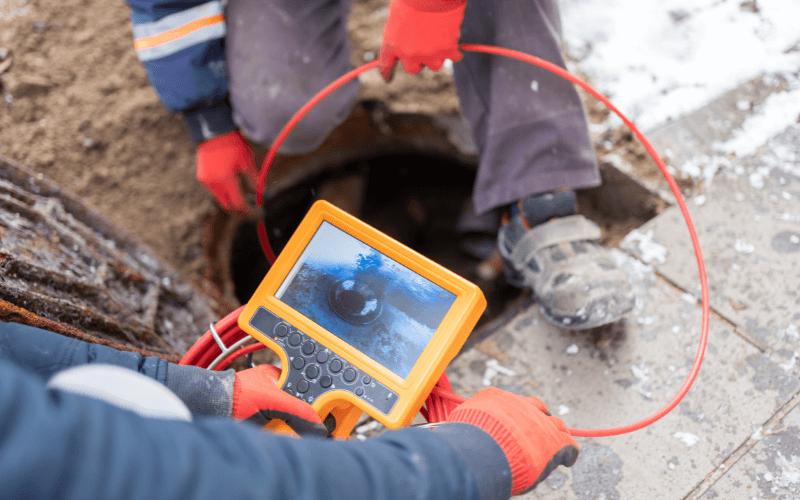
CCTV is ideal for viewing enclosed spaces, as Designing Buildings makes clear. A CCTV drainage survey involves placing a compact, remote-controlled CCTV camera inside your drains – and this device is more powerful than its small size might lead you to expect. CCTV technology has come on in leaps and bounds during recent years. The latest CCTV drain inspection cameras are far more advanced than the previous generation of CCTV equipment, which was only able to produce grainy, black-and-white footage.
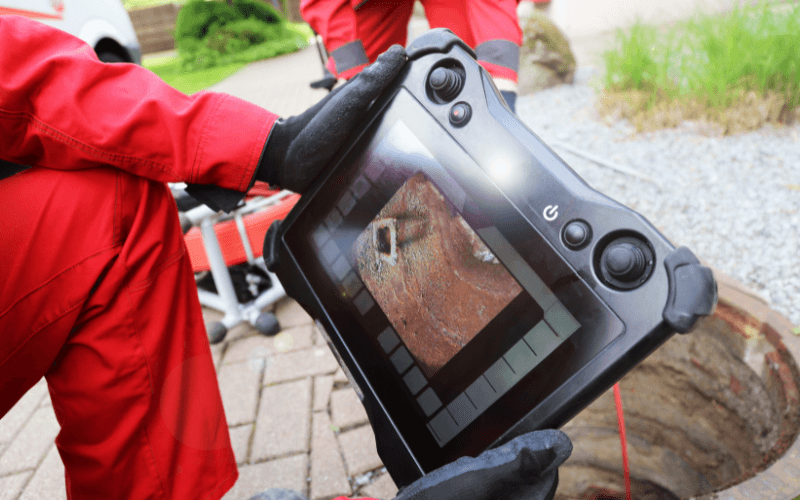
The high-tech CCTV cameras we use provide clear, high-quality, colour videos of your drains even if they’re particularly deep underground. These waterproof drain inspection cameras are attached to flexible rods and mounted on wheels (you can see an example on our CCTV drain surveys service page). In the drainage industry they’re referred to as crawler cameras because they crawl through drains of different diameters with ease. Thanks to their LED ‘headlights’, the cameras illuminate each pipe as they go, so our drainage experts can always see exactly what’s happening.
During CCTV drainage surveys, we control the camera’s movements, enabling us to perform comprehensive examinations of the pipework. Drain inspection cameras can pan, rotate and zoom in, so we can assess your drainage system from any angle and in detail. Nothing remains hidden, and photos can be taken of significant findings.
We review the CCTV footage in real-time on a monitor. After the CCTV drain survey is complete, recordings of that footage help us to produce a clear, helpful report. CCTV drain survey reports typically include useful information about your drainage system, plus images of any issues requiring further investigation (possibly in the form of a sonde survey, which can use sonar technology to pinpoint a drain’s location, for instance) or corrective action. We outline our findings then discuss potential next steps, i.e. how we can resolve any drainage problems for you.
Perhaps you’ve noticed signs of blocked drains, such as unpleasant smells and slow-draining sinks. With our CCTV technology, we can quickly locate the source of the problem and decide how best to unblock your drains.
A CCTV drain inspection can also be invaluable if you want to give your drainage system a thorough ‘health check’ and nip any issues in the bud. This is something we suggest property owners do regularly – annually, say. CCTV drain surveys are also a sensible course of action when you’re selling or buying a house. Plus, they’re essential before building over or close to drainage systems or after installing new ones.
A CCTV drain survey can reveal a range of issues:
If your drains are checked regularly, you can prevent problems taking hold and causing serious, costly damage. CCTV drain surveys can therefore save you money and reduce stress in the long run.
A CCTV drainage survey can have numerous benefits. The process is thorough yet causes minimal disruption and requires no digging. The footage gathered enables a drain specialist such as Mega-Rod to examine your drainage system closely, identify any problems (whether they’re just beginning or are long-standing issues), and decide how best to resolve them.
With over 40 years experience of in drain maintenance, we have the knowledge, skills and equipment required to conduct CCTV drain surveys for the owners of houses, apartment blocks, offices, supermarkets and more.
For a first-class CCTV drain survey in Bath, Bristol or the surrounding area, contact Mega-Rod today.
Many drain obstructions occur after people pour or flush away things drainage systems aren’t designed to carry to the sewers, such as cooking oil or nappy liners. But did you know that trees and hedges can also have a detrimental effect on your drains if their roots manage to penetrate the pipework? In fact, the drain unblocking experts here at Mega-Rod provide a specialist drain root cutting service in Bath, Bristol and the surrounding area to resolve this problem and get your drainage system flowing properly again.
Roots happily spread through drains – a phenomenon known as root infiltration – if given half a chance. Why? Because inside the pipes they have access to a steady supply of water, oxygen and nutrients, all of which help them to thrive and also nourish the rest of the tree or hedge. Indeed, a root network can go from strength to strength when it creeps into your drainage system and takes hold – a process that often takes as little as one month.
As roots grow rapidly, they soon form a dense, tangled obstruction. Wastewater and related material, such as toilet paper, struggle to pass through the drains. To make matters worse, some of that material could easily get caught on the roots and enlarge the blockage.
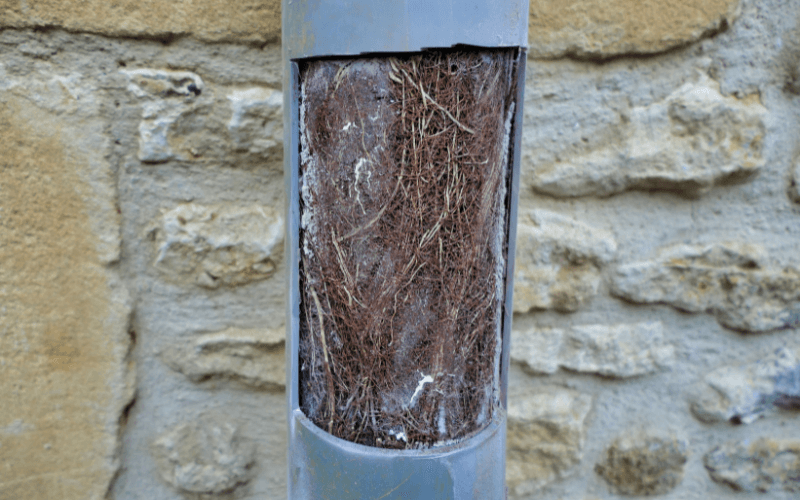
Because we have extensive experience of providing Bath and Bristol root cutting and drain cleaning services, we know that roots can be a pressing problem for the owners of residential and commercial properties alike. Houses, office blocks, shops, schools, hospitals and more can all be affected by roots spreading through drains.
Root infiltration may block your drains even if there aren’t any trees or hedges particularly close to the building. That’s because roots can cover a remarkably large area. For example, a tree’s root network can be up to four times wider than the canopy of leaves.
Roots can pose a serious threat to drainage systems. However, they don’t tend to break into pipework. They’re only likely to trouble your drains if they find a structural weakness they can exploit. Wastewater seeping out of a cracked pipe or loose connection, for instance, acts as an open invitation to thirsty roots. Indeed, they’re ‘drawn like a magnet to leaky pipes’, remarks the Laidback Gardener blog.
Even a minor leak can become a major problem when roots get involved. As the root network develops, it exerts ever more pressure on the drains. Cracks widen and pipework may ultimately burst open or collapse.
If your drainage system is aging, poorly sealed or has weak joints, it’s more vulnerable to root infiltration. But any drain can become structurally unsound (as a result of soil shifting or eroding, for example). That’s why we recommend regular CCTV drain inspections – they help property owners to nip problems in the bud.
Keeping an eye on your drains is a much better option than digging up all your trees and hedges in case their roots start to invade. What’s more, those plants have many benefits: they provide beauty, colour, privacy and shade, as well as improving the air quality.
But what if your drains haven’t had regular inspections – how can you tell if roots are blocking them right now? In addition to the typical signs of blocked drains, such as unpleasant smells, gurgling noises and frequent backups, root infiltration is associated with:
‘If your drains are blocked by roots, you will need a drainage company to assist,’ emphasises the Arboricultural Association. Successfully removing invasive roots requires specialist drain unblocking skills and equipment.
The Mega-Rod team has an impressive track record of removing invasive roots from drains. We identify the location of the problem using advanced CCTV and eradicate the blockage with a powerful combination of root cutting equipment and drain jetting. All the roots are cut into tiny pieces by the rotating cutter and flushed through the pipes.
The affected drains can then be relined or, if badly damaged, replaced. Robust, watertight pipework with secure joints is your best defence against thirsty roots. Once that’s in place, you can enjoy all the benefits trees and hedges bring to your property without worrying about what’s happening underground.
You can rely on Mega-Rod to rescue drains from invasive roots – call us today on 01225 422980.
To reduce the risk of your drains getting blocked, it’s a sensible idea to familiarise yourself with what should – and, more importantly, shouldn’t – be poured down plug holes or flushed away.
If your drainage system encounters little else other than wastewater from sinks, basins, toilets, etc., it’s likely to serve you well. However, if any of the major causes of blocked drains discussed below affect your pipework, the system may well struggle to continue functioning.
Indeed, if you’ve noticed signs of blocked drains at home or work, including strange gurgling noises and frequent backups, it’s time to act. You can contact Mega-Rod for expert Bath and Bristol drain unblocking and drain cleaning services.
If you like to treat yourself occasionally to indulgent meals such as roast dinners and homemade fish and chips, you’ll need to dispose of cooking fat and/or cooking oil.
When fat or oil is warm, it’s runny – and so some people assume it can be safely poured down the kitchen sink. Unfortunately, that’s not the case. Take it from the drain unblocking specialists here at Mega-Rod: drains can’t cope with fat or oil.
The problem is these substances harden as they cool down. What you pour down the plughole after dinner could be well on its way to becoming a drain obstruction by bedtime.
So, what’s a better way to dispose of cooking oil and fat at home? When it’s cooled a little but is still runny, carefully pour it into a sturdy, sealable container, as Expert Home Tips suggests. Once the contents are completely cold, put the container in the bin.
If you work in catering and need to dispose of a large quantity of cooking oil or fat, a specialist recycling service can collect it and do something amazing with it. In Bristol, for example, these waste products are transformed into green biofuel!

Perhaps your sink has a kitchen waste disposer. This electronic device grinds up food scraps so they can travel through your drains without creating obstructions.
However, waste disposers aren’t suitable for all types of food. If you dispose of fibrous or sludgy scraps (such as potato peelings or coffee grounds) this way, you may soon require our rapid response drain unblocking service.
If in doubt, put food waste in the bin. And if you don’t have a kitchen waste disposer, consider placing a sink strainer over the plughole to stop any scraps from reaching the drains.
Although drains can cope with a reasonable amount of toilet paper, the thick, quilted variety may cause congestion. That’s because it doesn’t break down as quickly or easily as conventional, thinner toilet paper.
If you normally buy luxury toilet paper for your home, why not switch to a two-ply or one-ply alternative? You can save money and reduce your chances of experiencing clogged drains at the same time. And if you manage a building that has numerous toilets and often needs drain jetting or similar services, you could stock up on what’s known as rapid-dissolving toilet paper.
People in the UK use an incredible eleven billion wet wipes each year – and we know from unblocking countless drains that an awful lot of them get flushed away. Many wet wipes and baby wipes are marketed as flushable, but this doesn’t necessarily mean they’re suitable for your drainage system.
‘Although they’ll disappear when you flush, they won’t completely leave your drains,’ explains the UK’s largest water company, Thames Water. Because the wipes are designed to remain intact when damp, they easily get stuck in pipes, where they become magnets for other drain debris. The only wipes you should flush down the toilet instead of throwing away are ones with the water industry’s Fine to Flush certification mark on their packaging. They’ve been tested to ensure they don’t cause problems.
On the subject of bathroom-related blockages, never try to flush away nappies, tampons, pads or anything else that’s highly absorbent and/or increases in size when wet. Always put those items in the bin instead to protect your drains.
From pouring cooking oil down the sink to flushing away wet wipes – there are many ways in which people inadvertently compromise drainage systems. Indeed, blocked drains are a fact of life.
Thankfully, you can rely on the Mega-Rod drain unblocking team to rapidly locate and resolve problems using advanced CCTV technology and tried-and-tested unblocking methods. We’ve been providing drain unblocking and drain cleaning services for over 40 years and cover Bristol, Bath and the surrounding area.
Struggling with blocked drains? Call 01225 422980 today for prompt assistance.
Are your drains struggling to function properly? Take a look at these common signs that your drains need unblocking and you need to get the problem fixed fast.
Drains are pipes that carry wastewater and related material safely away from your property and deposit it in the sewers. A fully functioning drainage system that’s free of blockages is essential for every residential and commercial building. At home, for example, you rely on your drains to help you keep your washing machine, dishwasher, shower, basin, etc. working properly and maintain a healthy, pleasant environment.
Your drains shouldn’t be overlooked; they play a major role in daily life. It’s important to keep in mind that they’ll struggle to function properly (and may even stop working completely) if things they aren’t designed to cope with end up in the pipework. Food scraps or baby wipes, say, can easily form a blockage, trapping air and impeding the flow of wastewater.
That’s why the Bath and Bristol drain unblocking and drain cleaning experts at Mega-Rod encourage property owners to familiarise themselves with the following common signs of blocked drains. If you suspect congestion and think your drains need unblocking, contact us for professional help.
Have you found yourself frequently reaching for the air freshener or throwing open the windows lately? Nasty odours tend to be early warning signs of blocked drains, especially if they’re particularly noticeable when you’re running water. If cooking fat is stuck in the pipes, for instance, it’ll make your property smell far from fragrant.
If your drainage system gets congested, you might hear it complaining… Strange gurgling noises that greet you when you empty the kitchen sink or flush the toilet, say, can point to an obstruction. It might sound like your pipework has a bad case of indigestion, but what’s actually happening is air trapped in the drains due to the blockage being forced through the system.
You may also require a drain unblocking service if the water in your kitchen sink, appliances, basin, bath or shower starts draining away more slowly than usual. Its movement could well be being hindered by an obstruction in your drainage system. Moreover, if you have severely blocked drains, you might find the water refuses to drain away at all.
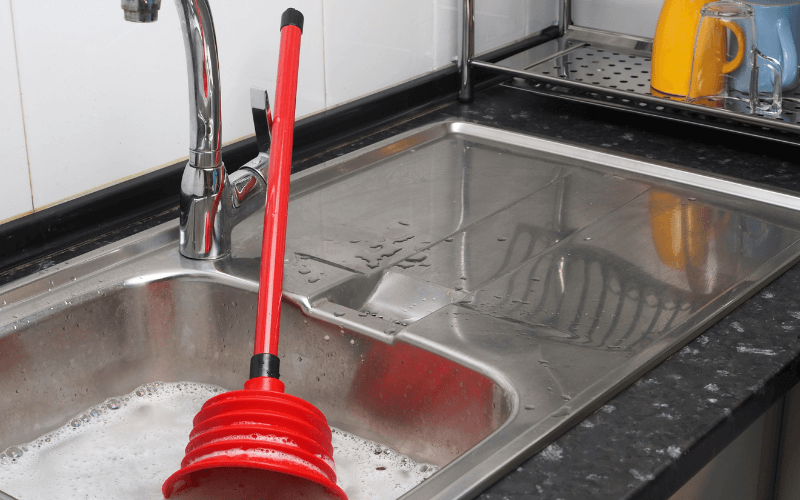
Clogged drains can prevent toilets flushing properly too, which is certainly not a problem any property owner will be able to tolerate for very long. The issue is extremely unpleasant in a domestic environment, where there may be one or two toilets, but even more nightmarish in larger buildings such as hospitals and office blocks.
Thankfully, we have the Bath and Bristol drain cleaning expertise to clear blockages and get your drainage system flowing properly again.
Congestion compromises and unbalances your drainage system. As a result, the water levels in your bathroom, say, may start to rise. For example, it’s not unusual for someone with blocked drains to find that running a bath leads to an increase in the amount of water in the toilet.
Sometimes homeowners or other property owners assume that a plumber will be able to get their wastewater flowing and draining properly again by cleaning out, repairing or replacing their U-bends or other water traps (the sections of pipe that hold a small amount of wastewater in order to act as a barrier against foul gases and odours).
However, when you have blocked drains, the source of the problem lies beyond the building’s easily accessible internal plumbing. You need specialist drain unblocking and drain cleaning.
Perhaps the clearest and most worrying sign of a drain blockage is wastewater frequently backing up – in other words, coming back up into your toilet and through your plugholes, because it can’t travel easily through the system anymore. If the obstruction is severe, wastewater can even escape from your property’s manhole.
Mega-Rod provides a Drain Unblocking Rapid Response Service throughout Bath and Bristol.
Blocked drains create numerous issues, from nasty odours to wastewater that won’t budge.
If you’ve noticed any of the blocked drain signs discussed above, you’ll want to get the problem fixed fast, so that you can get back to normal life and avoid drain damage.
That’s why we provide rapid response drain unblocking and drain cleaning services for residential and commercial customers in Bath, Bristol and the surrounding area. We can identify the blockage and pinpoint its location with advanced cameras then unblock your drains using drain jetting or another effective technique.
Mega-Rod is a Which? Trusted Trader, so you can be confident your drains are in safe hands.
Blocked drains at home or work? Call 01225 422980 today for a fast, effective solution.
Spring is the time of year when many people take on the task of cleaning their homes, but one area that often gets overlooked is the drains Bath. Poorly maintained drains can quickly become a source of costly problems and headaches. A regular drain cleaning and emptying of septic tanks should be part of your spring clean to ensure you don’t pay for costly repairs down the line.
Neglecting your drains can lead to clogs, backups, and unpleasant odors. Spring cleaning is the perfect time to give your drains some attention. By doing so, you can prevent potential plumbing problems from occurring and improve the overall cleanliness of your home.
One way to spring clean your drains is by using a natural drain cleaner. A mixture of baking soda and vinegar can help break down any buildup in your pipes without harsh chemicals. Simply pour the mixture down the drain, let it sit for a few minutes, then flush with hot water.
Another important step in cleaning your drains is removing hair and debris from shower and sink strainers. Over time, these materials can accumulate and cause blockages. Regularly removing them will help keep your pipes flowing smoothly.
Overall, taking care of your drains during spring cleaning may not be glamorous but it’s essential for maintaining a healthy home environment.
Kitchen drains can be a nightmare if they are clogged and smelly. Food particles, grease, soap scum, and other debris can create blockages in your drainage system. This not only leads to slow draining but also results in unpleasant odors emanating from your sink. To avoid this problem, it’s crucial to pay attention to what goes down your drain.
One way of preventing clogs is by using a sink strainer to catch food particles and other debris before they go down the drain. Also, avoid pouring grease or oil down the drain as they solidify when cooled and cause blockages. You can instead wipe them off using paper towels and dispose of them in the trash.
If you already have clogged drains, try using natural remedies such as baking soda and vinegar or boiling water mixed with salt to break up the blockage. However, if these don’t work, it’s best to seek professional help, such as calling the team at Mega-Rod, before the situation gets worse. Remember that maintaining clean kitchen drains not only enhances hygiene but also saves you money on expensive repairs in the long run!
Bathroom drains are often overlooked when it comes to cleaning, but they are a crucial part of maintaining a healthy and hygienic bathroom environment. Hair, soap scum, and mold are the most common types of gunk that accumulate in bathroom drains. Hair is one of the biggest culprits as it easily gets tangled up in the drain, causing blockages that can lead to unpleasant odors and even water damage.
Soap scum is another issue, which can build up over time from showering or washing hands. This buildup can make your drain slow down and eventually clog if left unattended. Mold growth around your drain is also common due to the humid environment found in bathrooms. The best way to avoid this is by keeping moisture levels low by using proper ventilation or dehumidifying tactics.
It’s essential to have regular maintenance checks on your bathroom drains to prevent any potential problems from turning into bigger issues such as flooding or even structural damage. Regular cleaning with natural products like baking soda and vinegar will help keep your pipes clear while avoiding harsh chemicals that could cause corrosion over time – so don’t overlook those bathroom drains!
Basements are the least frequented area of a house but they serve important purposes such as storage, home theater, laundry room or an extra living space. Since basements are located at the lowest level of a house, they are more prone to water damage due to natural calamities like floods and heavy snowfalls. Water seepage can also occur through walls and floors over time. To prevent water damage, homeowners should take immediate action by installing basement drainage systems.
Contaminated water is a serious issue that arises when basement drains are left unchecked for too long. This happens when there is no proper maintenance done on the drain system or if it was not installed correctly in the first place. Contaminated water is hazardous for people’s health since it contains bacteria and parasites that cause diseases like cholera, typhoid fever, and giardiasis among others. It’s important to have your basement inspected regularly so that any issues with contaminated water can be detected early enough.
In conclusion, homeowners need to be vigilant about their basements’ drainage systems and ensure they’re working optimally all year round. A well-maintained system will keep your home safe from flooding while preventing contaminated water from seeping into your living spaces. Don’t wait until it’s too late; schedule regular checks with a professional plumber who will inspect your basement drains comprehensively for any potential problems before things worsen!
When it comes to spring cleaning, most people tend to clean the surfaces and areas that are visible. However, one important aspect that is often overlooked is drain cleaning. Professional drain cleaning has numerous benefits, including preventing clogs and backups, improving drainage efficiency, and prolonging the lifespan of your plumbing system.
There are different methods used in professional drain cleaning such as hydro jetting, which uses high-pressure water to remove blockages and buildup in pipes. Another method is using a plumbing snake or auger which physically dislodges any debris stuck in the pipes. The cost of professional drain cleaning can vary depending on factors such as the severity of the clog or buildup and the complexity of your plumbing system.
While some may be hesitant about spending money on professional drain cleaning services, it’s important to remember that preventative maintenance can save you money in the long run by avoiding costly repairs due to neglected drains. Overall, investing in regular professional drain cleaning is a smart decision for maintaining a healthy plumbing system and avoiding any unwanted surprises down the line.
When it comes to spring cleaning, most people only think about dusting and decluttering their homes. Unfortunately, many homeowners forget about their drains until they start experiencing problems. Clogged drains can be a real headache and can cause water damage if left unchecked for too long. Luckily, there are several DIY drain cleaning solutions you can use to keep your pipes flowing smoothly.
One of the easiest ways to prevent clogs is by using a drain strainer in your sinks and showers. These inexpensive mesh screens trap hair, soap scum, and other debris that would otherwise go down the drain. For tougher clogs, try using a plunger or plumbing snake. Plungers work well for minor blockages while snakes are ideal for clearing out more stubborn obstructions.
If these methods don’t work or you’re dealing with a particularly nasty clog, consider making your own drain cleaner using ingredients you probably already have at home such as baking soda and vinegar or salt and hot water. With these simple tools and tips on hand, maintaining clean drains doesn’t have to be a daunting task!
In conclusion, it’s essential to prioritise your drains as part of your spring cleaning routine. Neglecting them can lead to clogs and other plumbing problems that are both costly and time-consuming to fix. By taking preventive measures such as using drain covers, avoiding pouring grease down the drain, and regularly flushing with hot water, you can extend the life of your pipes and prevent blockages from forming.
Moreover, if you notice any signs of a clogged drain such as slow draining or foul odors coming from the sink or shower, don’t hesitate to address it promptly. Ignoring the issue may lead to more significant problems down the road that require professional intervention. Taking care of your drains not only ensures a healthier living environment but also saves you money in the long run by preventing costly repairs.
In summary, spring cleaning is an excellent opportunity to give your home some much-needed TLC. Don’t forget about your drains while doing so! With these simple tips and tricks, you can keep them in tip-top shape throughout the year and avoid any unpleasant surprises along the way.
Winter weather can be hard on plumbing systems, especially in older buildings. With heavy snowfall and increasingly freezing temperatures, frozen drains can become a major problem. If left untreated, these blocked and frozen pipes can cause significant damage to property and the environment. Even worse, they can lead to potentially hazardous situations inside the home or building.
Winter has arrived and for many homeowners, frozen drains can be a real problem. With temperatures plunging to below zero, water in pipes and drains can freeze causing blockages and even structural damage to buildings.
For anyone with frozen drainage issues, the best solution is to call an emergency service like Mega-Rod for a quick response. Emergency call out services are available 24 hours a day and have the necessary skills and equipment to prevent damage from becoming more serious or permanent. A professional will inspect your plumbing system to determine the cause of the blockage before attempting any repairs or maintenance work.
Homeowners can take some steps themselves to help minimise the risk of frozen drains such as keeping cabinets open around sinks and toilets so warm air circulates, ensuring external pipes are insulated properly and running taps on cold nights if there is a risk of freezing weather conditions.
Frozen drains are a common household problem during the winter months. Frozen pipes can cause serious damage and lead to more costly repairs if they are not caught in time. It’s important to be aware of the potential causes of frozen pipes, so you can prevent them from occurring in your home.
The most common cause of frozen drains is inadequate insulation around the pipe, often due to lack of access or a poorly insulated space. Cold temperatures outside can quickly affect internal plumbing, leading to freezing water within the pipe. Drafts that enter through windows and doors can also contribute to cold air circulating around pipes and causing them to freeze up. Additionally, sudden changes in temperature outside may also have an effect on interior plumbing systems and create icy conditions inside piping as well.
Frozen drains are a very common issue during the winter months when temperatures drop. A frozen drain can cause a lot of disruption and damage, so it’s important to be aware of the signs to look out for. Knowing what symptoms to watch out for means you can call in emergency help sooner rather than later and potentially save yourself time, money and stress further down the line.
Common symptoms of a frozen drain include slow draining water, water not draining at all, gurgling noises from the pipes and an unpleasant smell coming from your sink or shower. If you notice any of these issues it’s highly likely that your pipes are frozen and you should seek emergency help as soon as possible to prevent further damage occurring.
When it comes to avoiding emergency plumbing work, prevention strategies are key. Taking the time to regularly check and maintain your drains is crucial in avoiding a plumbing disaster like frozen pipes or blocked drains. No matter the season, there are certain steps you can take to ensure that potential problems don’t arise.
To begin with, it’s important to make sure your outdoor pipes and fixtures are properly insulated during cold winter months. This prevents water inside the pipes from freezing, which could cause them to burst and lead to costly repairs. Additionally, regular cleaning of sinks and baths can help prevent clogs caused by hair or soap residue build up in the drain line. Lastly, checking for leaks on a regular basis can save you money as small issues tend to become bigger problems if not addressed quickly.
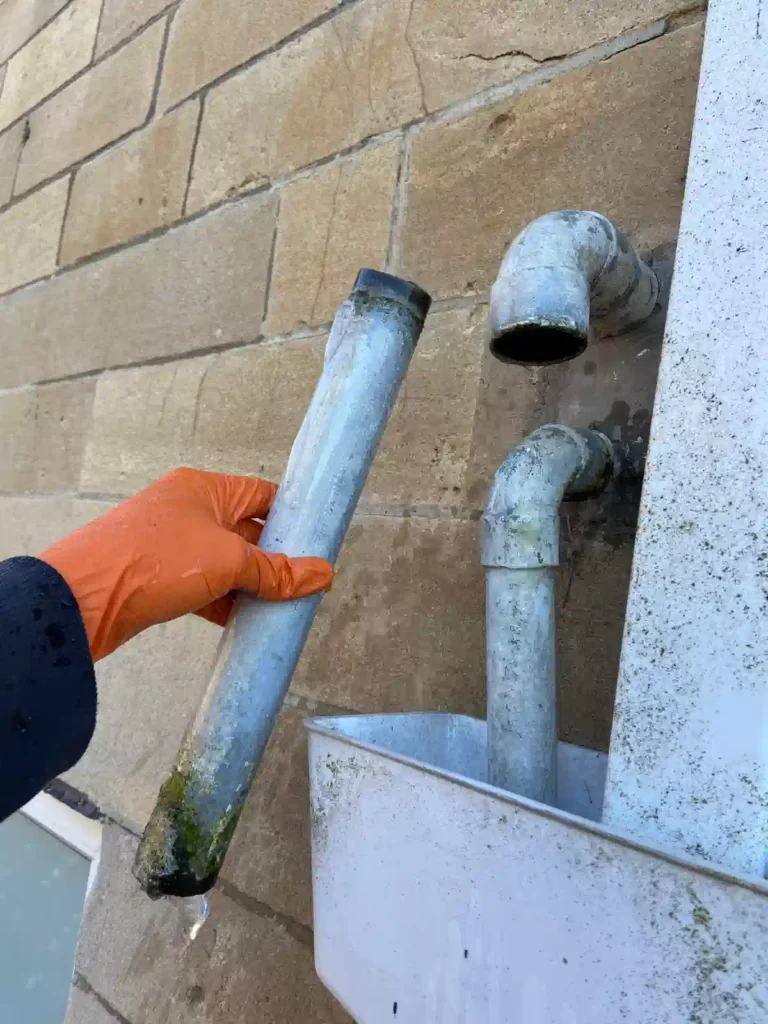
Emergency call out options can be a lifesaver when it comes to dealing with frozen drains. Homeowners in cold climates know the importance of being prepared for frozen pipes and the surrounding plumbing issues that come with it. Blocked drains, overflowing sinks, and burst pipes are all consequences of freezing temperatures. Knowing your emergency call out options may help you get the situation under control quickly and safely before any further damage is done.
When looking for an emergency call out option, make sure they have experience in frozen pipe repair. Whether you need a 24/7 response or just a same-day service, look for companies who specialise in this type of work, like Mega-Rod, so that you know the job will be completed correctly and efficiently. You can always rely on Mega-Rod to solve your crisis – just give our friendly team a call on 01225 422980 and we will get straight on it.
Mega-Rod is a Which Trusted Trader emergency plumbing and drainage company that specializes in resolving all kinds of domestic and commercial plumbing problems. With more than 40 years experience in the industry, Mega-Rod offers fast and reliable service for solving frozen drains. Their team of well-trained professionals is dedicated to providing customers with efficient solutions that are tailored to their specific needs.
Using state-of-the-art techniques, Mega-Rod can quickly identify the source of the issue, analyze the situation, and provide effective solutions for restoring your frozen drain. From high pressure jetting systems to advanced video technology, they can guarantee a speedy resolution to any problem. In addition to providing emergency services for blocked or broken drains, Mega-Rod also offers regular maintenance services to help prevent future issues from occurring. Customers can rest assured knowing their plumbing system is always running as it should be with minimal disruption or hassle.
In today’s digital age, a strong online presence is essential for any business. We’re excited to announce that we’ve launched a new website to better serve our customers. The site features a sleek design and easy-to-use interface. It’s also mobile-friendly, so you can access it on the go. Our goal is to provide a superior online experience for our customers. With our new website, we’re well on our way to achieving that goal.
We’ve just launched our new website and we couldn’t be more excited! The site is packed with information on our products, services and company history.
We want our website to be the go-to source for everything Mega-Rod.
It’s been a long time coming, but we’ve finally launched our new website. The old website was starting to show its age and we knew it was time for a change. We’ve been working hard on the new site and we’re excited to share it with all of our customers.
The new site is faster, more user-friendly, and has a fresh look that we hope you’ll love. We’ve also added some new features, like a blog and a resources section. Take a look around and let us know what you think!
We’ve launched a new website and we’re excited to show you what’s different. The first thing you’ll notice is the new design. We wanted to create a more user-friendly experience, so we’ve made some changes to the layout and navigation.
You’ll also find new features on the site, like our blog and resources section. We’ll be regularly updating these with interesting articles and helpful information.
We hope you enjoy exploring the new website. If you have any feedback, please let us know.
User experience is important to us, which is why we’re excited to announce our new website. The website has been designed with the user in mind, and we hope that it will provide a better experience for our users.
We’ve made a number of improvements to the website, including a new design and more user-friendly navigation. We believe that these changes will make it easier for our users to find the information they need and use our site more effectively.
We’re always looking for ways to improve the user experience on our website, and we hope that our new website will be a step in the right direction. If you have any feedback or suggestions, please let us know.
We’ve launched a new website and we’re very excited about it. Our goal is to provide our visitors with a better experience and more information. We’re hoping to achieve this by providing more content, more features, and more interactivity. We’ll be constantly updating the site with new information and we hope that you’ll find it useful. Thanks for visiting!
We hope you enjoy our new website. We have big plans for it and we can’t wait to see it grow. Thank you for being part of our community!
If you have a septic tank on your property, then you already know that it is important to have it emptied on a regular basis. But what you may not know is why it is so important.
A septic tank is a key part of a septic system, which is an on-site sewage facility. Septic tanks are used to treat wastewater from toilets, showers, baths, and sinks. They are typically made of concrete, fiberglass, or plastic.
Septic tanks work by using bacteria to break down the waste into sludge and scum. The sludge and scum are then separated from the effluent (treated wastewater) and the effluent is discharged into a leach field or other discharge point.
Septic tanks need to be emptied periodically to remove the accumulated sludge and scum. If they are not emptied, they can become overloaded and start to back up into the home or release untreated sewage into the environment.
If you have a septic tank, it is important to get it emptied on a regular basis. Failure to do so can lead to a number of problems, including backups, clogs, and leaks. A septic tank that is not properly maintained can also create health hazards for you and your family.
A septic tank works by decomposing sewage and other waste products. This process requires oxygen, which is provided by bacteria in the tank. When the tank is not emptied on a regular basis, the waste builds up and the bacteria are unable to do their job. This can lead to backups, clogs, and leaks.
In addition to causing problems with your plumbing, a full septic tank can also create health hazards for you and your family. The waste in the tank can release harmful gases into the air and leach into the groundwater.
If you have a septic tank, you know that proper maintenance is key to keeping it working correctly. One of the most important aspects of septic tank maintenance is having it emptied on a regular basis. Here are four reasons why you should get your septic tank emptied:
If you have a septic tank on your property, it is important to have it emptied on a regular basis. Septic tanks are designed to hold sewage and treat it before it is released into the environment. However, if the tank is not emptied on a regular basis, the sewage can start to back up and overflow, causing environmental problems. Additionally, if the tank is not emptied, the solid waste can build up and cause the tank to fail.
As more and more people are moving to rural areas, it’s important to be aware of the need to have your septic tank emptied. A septic tank is a container that holds sewage and wastewater from your home. When it becomes full, it needs to be emptied by a professional.
If you don’t have your septic tank emptied regularly, it can lead to a number of problems. The most common problem is that the tank will overflow, which can cause sewage to back up into your home. This can lead to health problems and expensive repairs.
Another problem that can occur if you don’t have your septic tank emptied is that the bottom of the tank can collapse. This can cause the sewage to leak into the ground, which can contaminate groundwater and cause environmental problems.